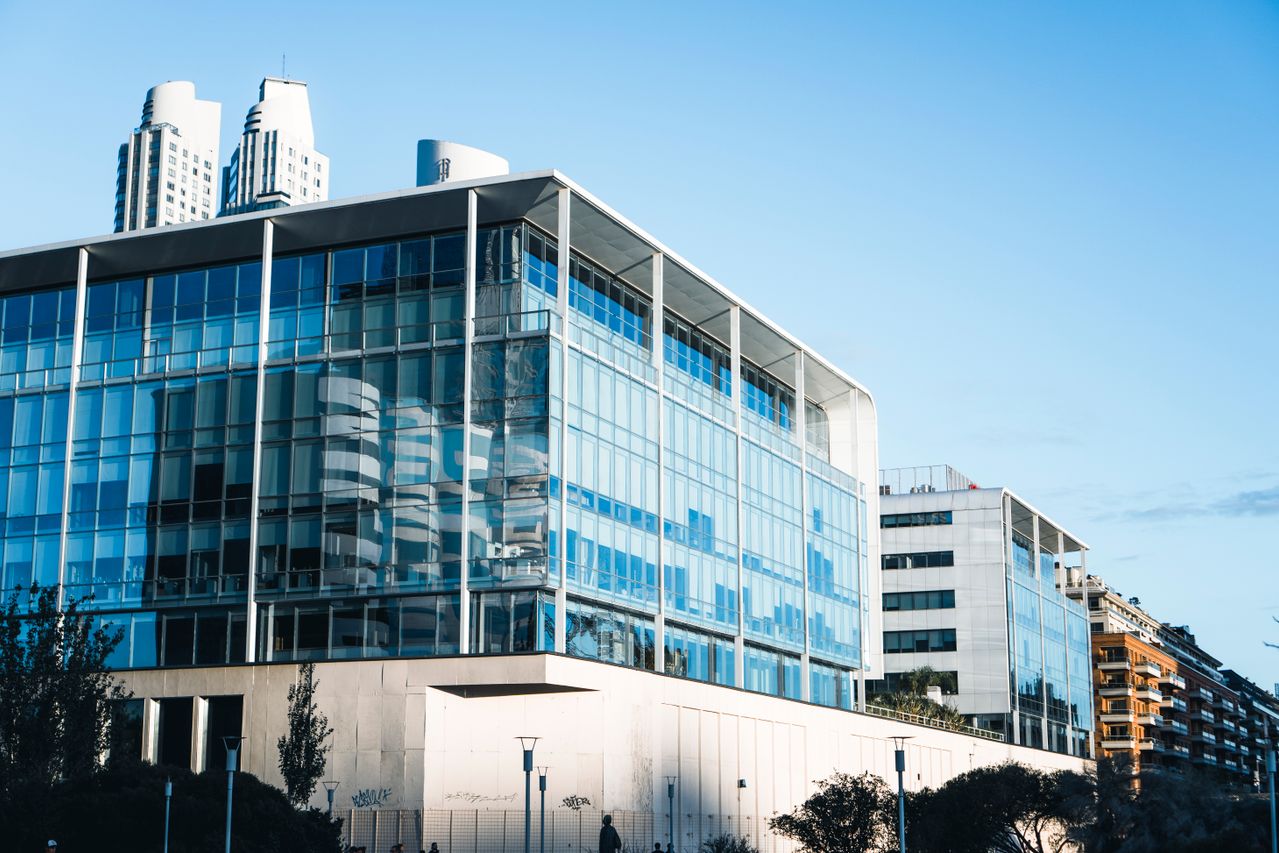
Key Takeaways The Short Answer In many office buildings, yes....
Read More


How shade percentages work, how dyed, carbon and ceramic films compare, and what to expect from a quality install.

Cut heat, glare and UV fading at home while keeping your view, with tips for choosing films that suit each room.

Learn how window film can improve comfort, privacy and energy performance in storefronts, offices and large buildings.

Tint limits differ from state to state. Get a clear overview of the rules before you choose a shade for your vehicle.
We don’t install film or book appointments. Our only job is to help you understand your options.
We explain technical specs like VLT, heat rejection and UV blocking so they actually make sense.
Cars, homes, offices and storefronts are all covered in one place, so you don’t have to piece the answers together.
Know what questions to ask and what to look for before you talk to an installer.
America’s Film Crew is an information resource for anyone curious about window tint and window film. Tinting can be confusing, with dozens of film types, shade numbers, technical specs and state laws to sort through. We started this site to cut through that noise. Whether you’re tinting your first car, trying to keep a sun-facing room cooler, or researching film for a business, our goal is to give you straightforward, trustworthy information so you can make the call that’s right for you.
Key Takeaways The Short Answer In many office buildings, yes....
Read MoreKey Takeaways Why Window Film Helps Keep Your Home Cool...
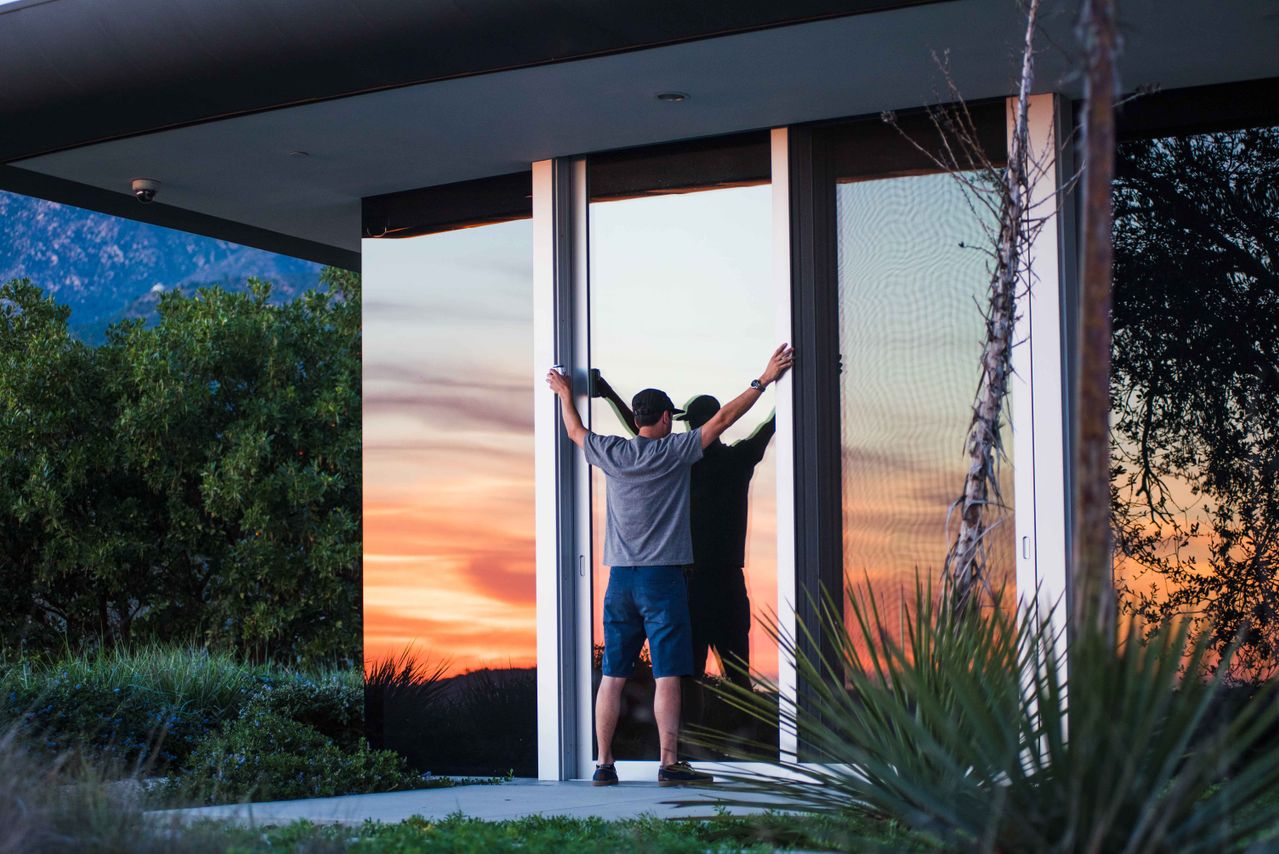
Read MoreKey Takeaways Why Remove Your Car’s Window Tint? Window tint...
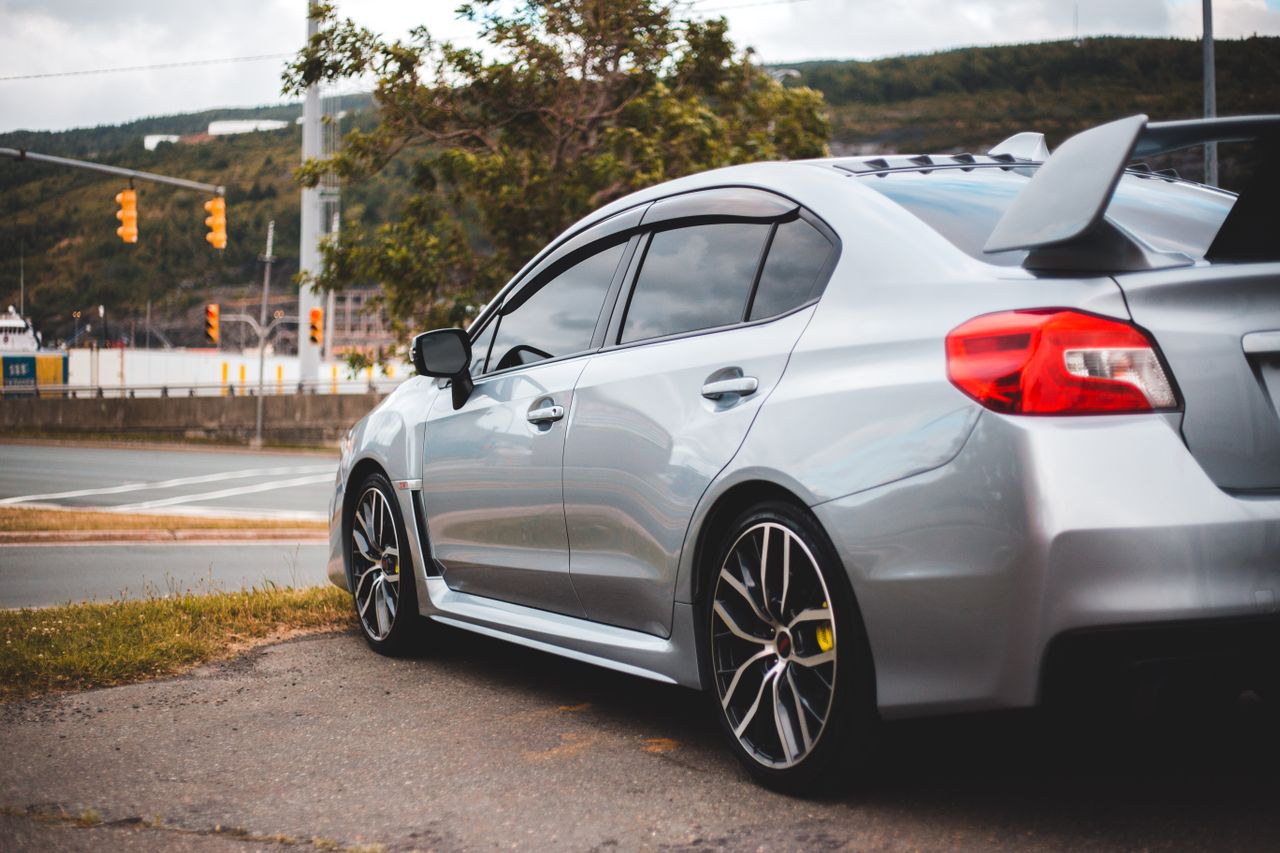
Read MoreThe percentage is the film’s VLT (Visible Light Transmission), meaning how much visible light passes through the glass. A lower number means a darker tint. For example, 5% is very dark (“limo tint”), 35% is a popular middle ground, and 70% is light enough to barely notice.
It depends on where you live. Every state sets its own limits, and the rules usually differ for windshields, front side windows, and rear windows. Some states also allow medical exemptions for darker tint. Check your state’s current rules before choosing a shade, since getting it wrong can mean a ticket or a failed inspection.
Not necessarily. How dark a film looks and how much heat it blocks are two different things. Many ceramic and other high-performance films reject a large share of solar heat while staying fairly light. If heat is your main concern, compare a film’s heat rejection rating, not just its shade.
Dyed film is usually the most affordable and mainly reduces glare, but it can fade over time. Carbon film holds its color better and offers stronger heat control. Ceramic film is typically the premium option, with excellent heat and UV rejection and no interference with phone, GPS, or radio signals.
Yes. Most quality window films are rated to block up to 99% of UV rays. That helps protect your skin while driving and slows the fading of car interiors, furniture, flooring, and artwork at home.
New film needs time to cure, so installers usually recommend keeping your windows up for a few days. The exact time depends on the film and the weather, since curing takes longer in cool or humid conditions. Always follow your installer’s instructions.